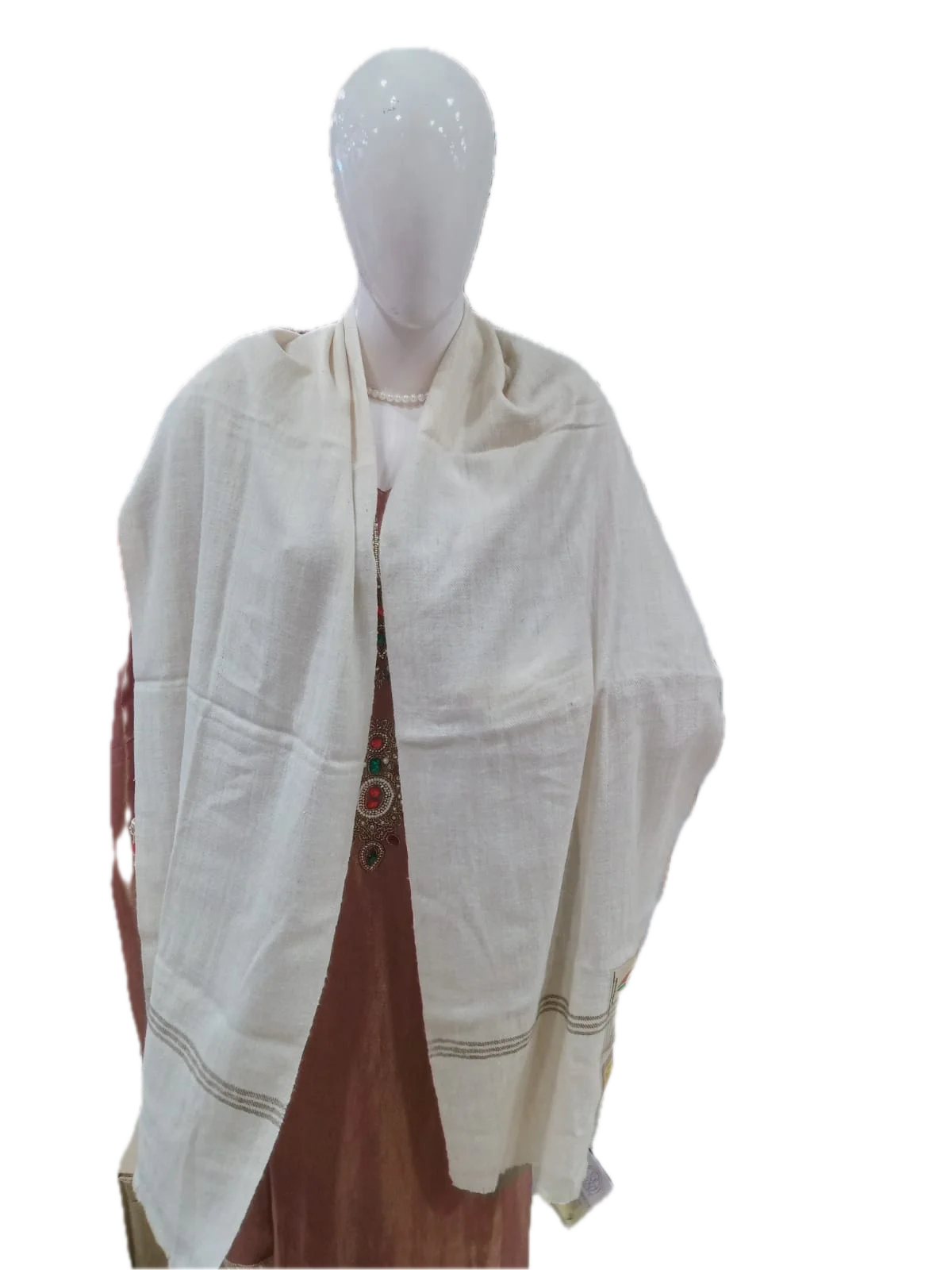
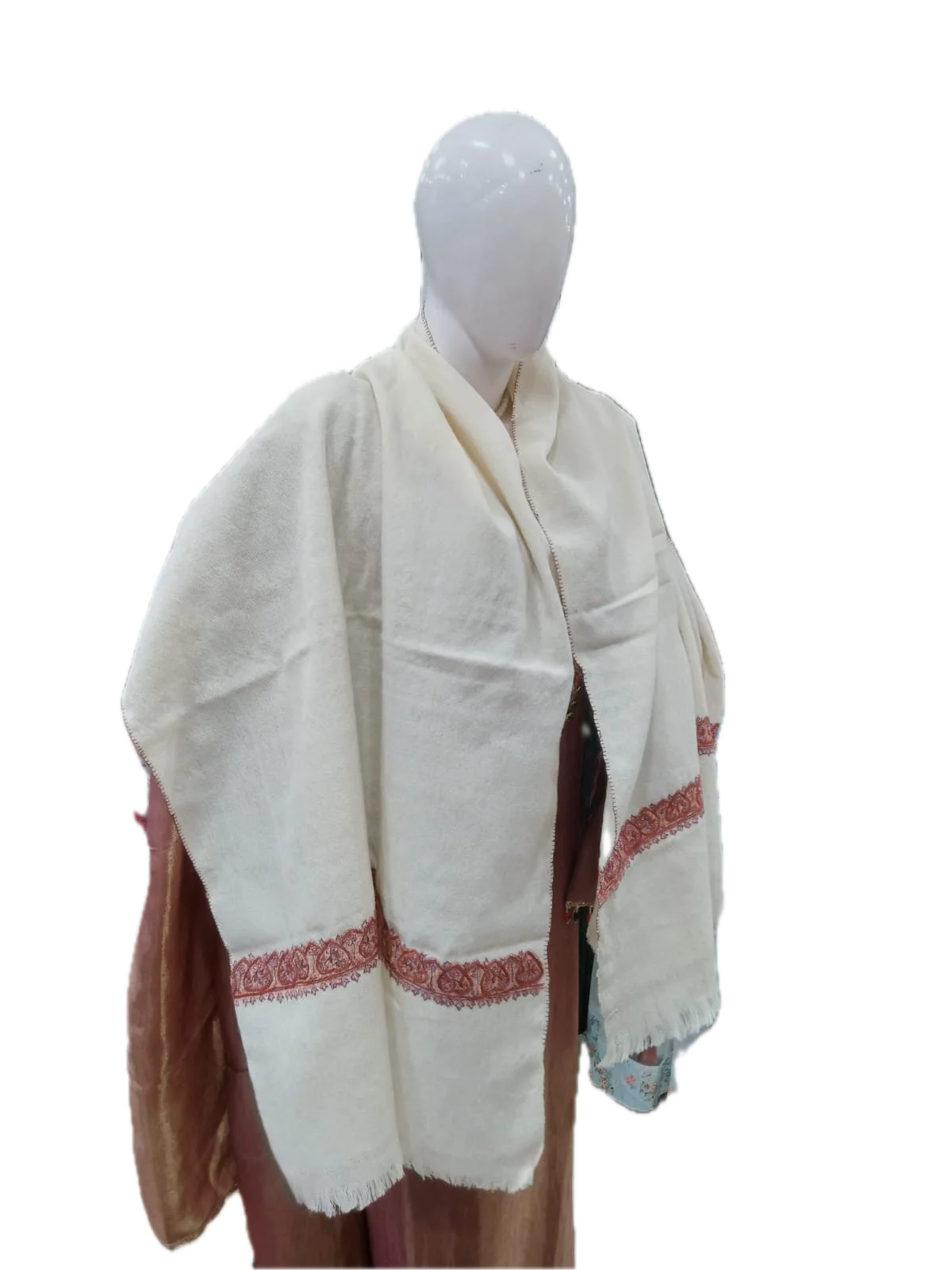
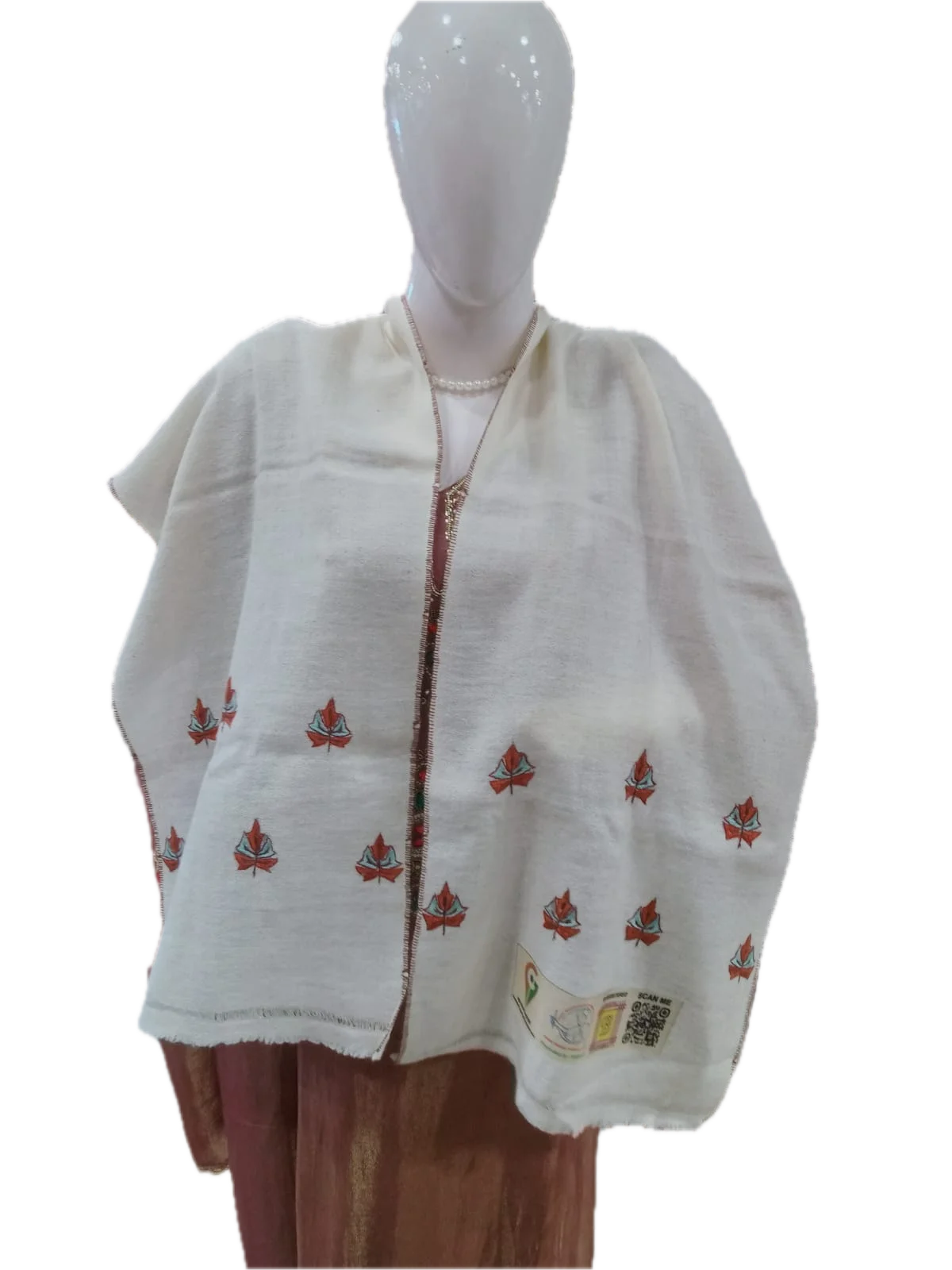
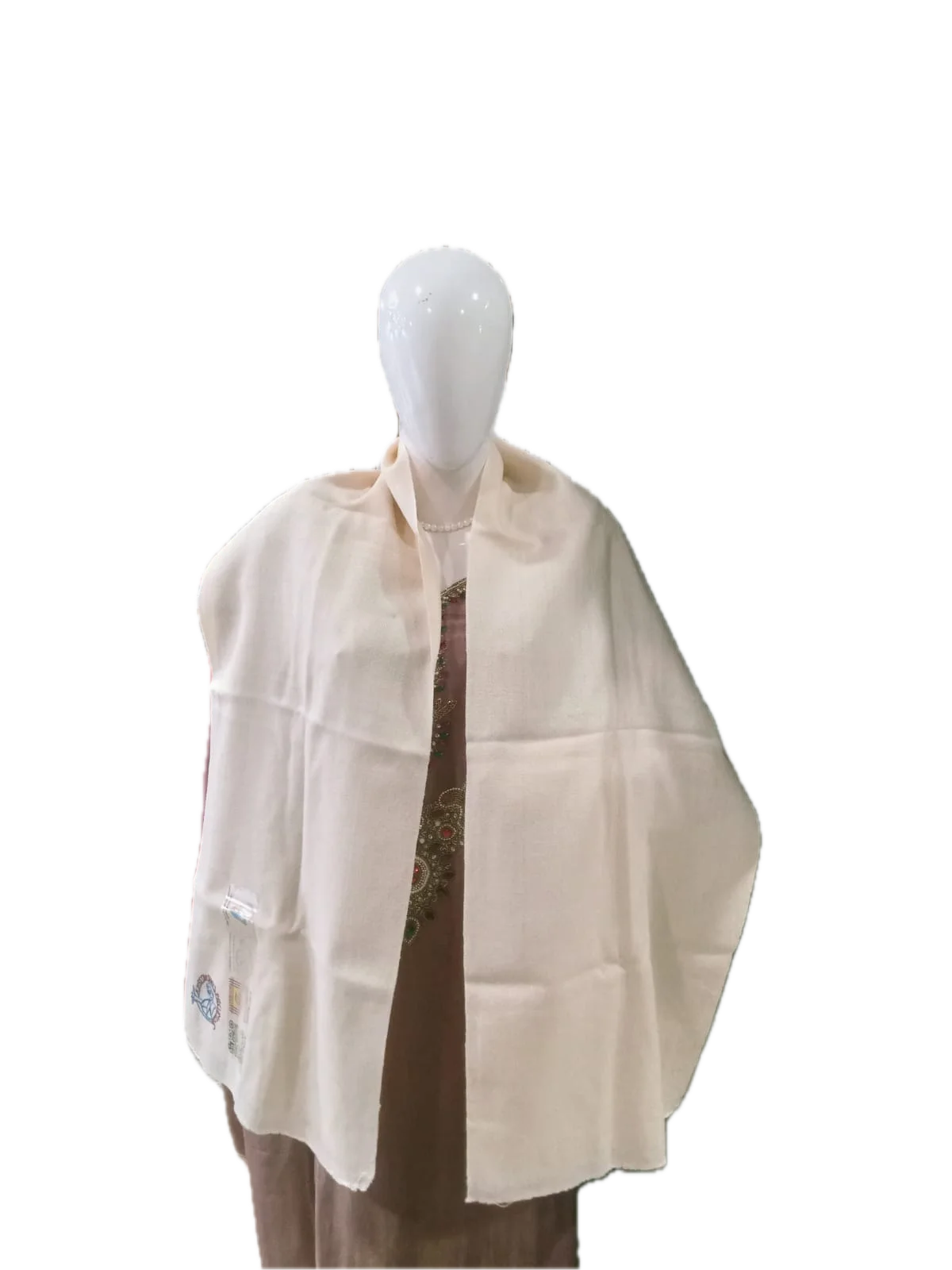
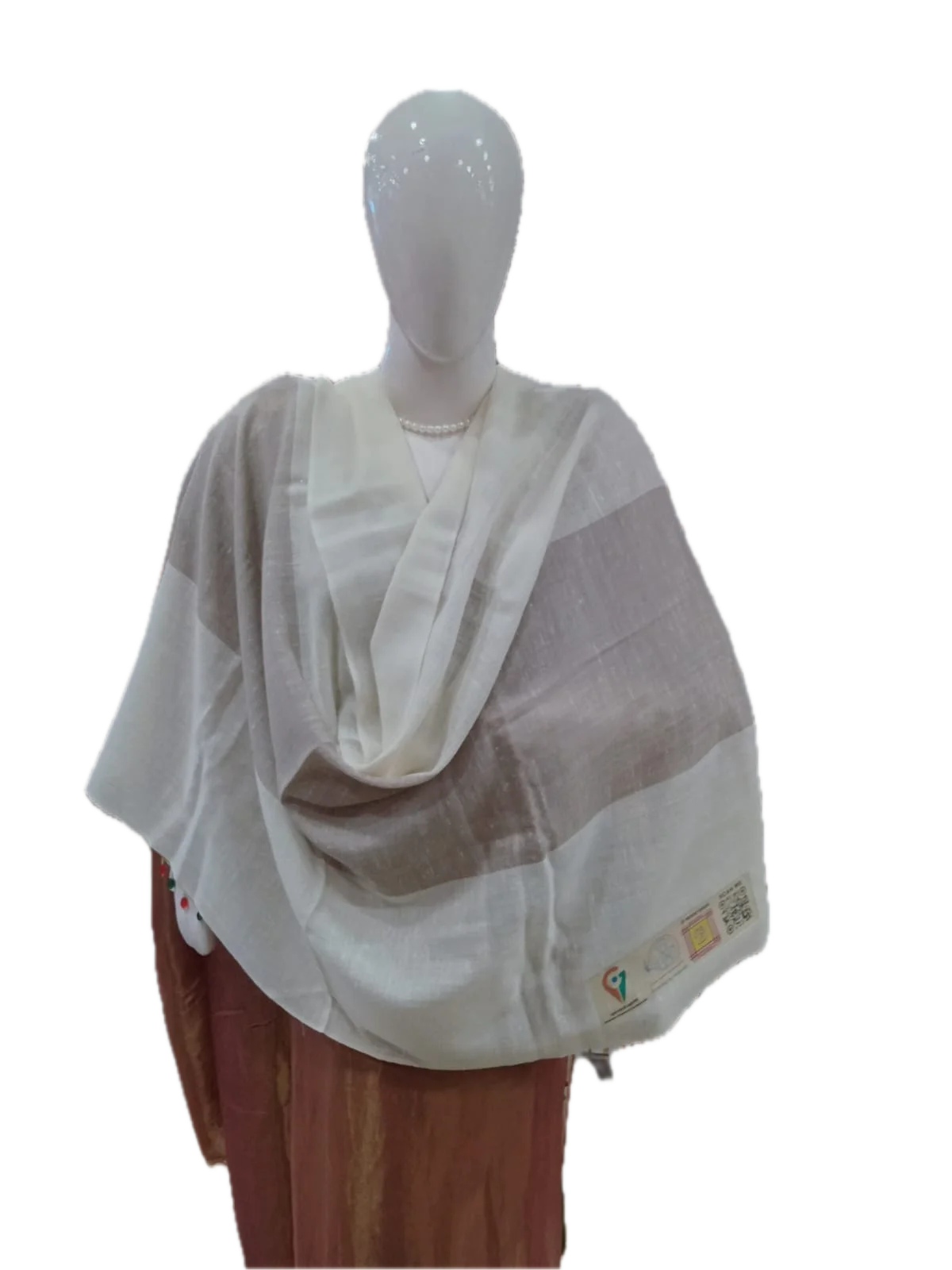
The history of Basohli Pashmina is an extraordinary tale of migration, royal patronage, and enduring craftsmanship that transformed a small princely kingdom in the Jammu hills into a globally revered textile hub. While Cashmere and Pashmina traditions are widely tied to the Kashmir valley, Basohli stands as the only other major historic region in India to master this legacy entirely on traditional handlooms.
- Royal Patronage: The craft took root over a century ago under the patronage of local rulers who possessed a deep fascination for luxury textiles and fine arts.
- Artisan Migration: To establish a competitive local trade, royals invited and settled hundreds of skilled weavers from Kashmir to Basohli, creating a unique weaving colony that flourished along the banks of the Ravi River.
- Trade Hub Status: Basohli emerged as a vibrant trading center where customers from neighboring states and international routes sought out high-end, pure handwoven blankets and shawls.
- Global Legal Protection: To combat modern machine-made replicas and secure its historical identity, Basohli Pashmina was officially granted its own Geographical Indication (GI) Tag in 2023.
The exceptional purity and luxury of Basohli Pashmina come down to its raw components, sourced from one of the most extreme environments on earth and treated without any mechanical intervention.
- The Changthangi Fleece: The primary raw material is pashm, the ultra-fine downy undercoat shed by the Changthangi goat (Capra hircus), raised by semi-nomadic Changpa herders at altitudes above 14,000 feet in Ladakh.
- Micron Fineness: The raw fibers are incredibly delicate, measuring between 12 to 16 microns in diameter (compared to standard human hair which is about 70 microns), giving it its feather-light feel.
- Hand-Processing Elements: The craft relies entirely on natural starches and traditional wooden tools. The raw fleece passes through intensive manual de-hairing, sorting, and spinning steps before it touches the warp.
- Pure Artisanal Weaving: Unlike major commercial hubs, there are no mechanized or industrial units used in Basohli for this craft—the fabric remains 100% handmade.
Creativity in Basohli Pashmina centers on absolute technical precision, structural mastery, and a clean, organic aesthetic that differentiates it from other regional weaves.
- Traditional Handlooms: Weavers create the fabric using classic floor-pedal pit looms or frame looms, interlocking the horizontal weft and lengthwise warp entirely by hand.
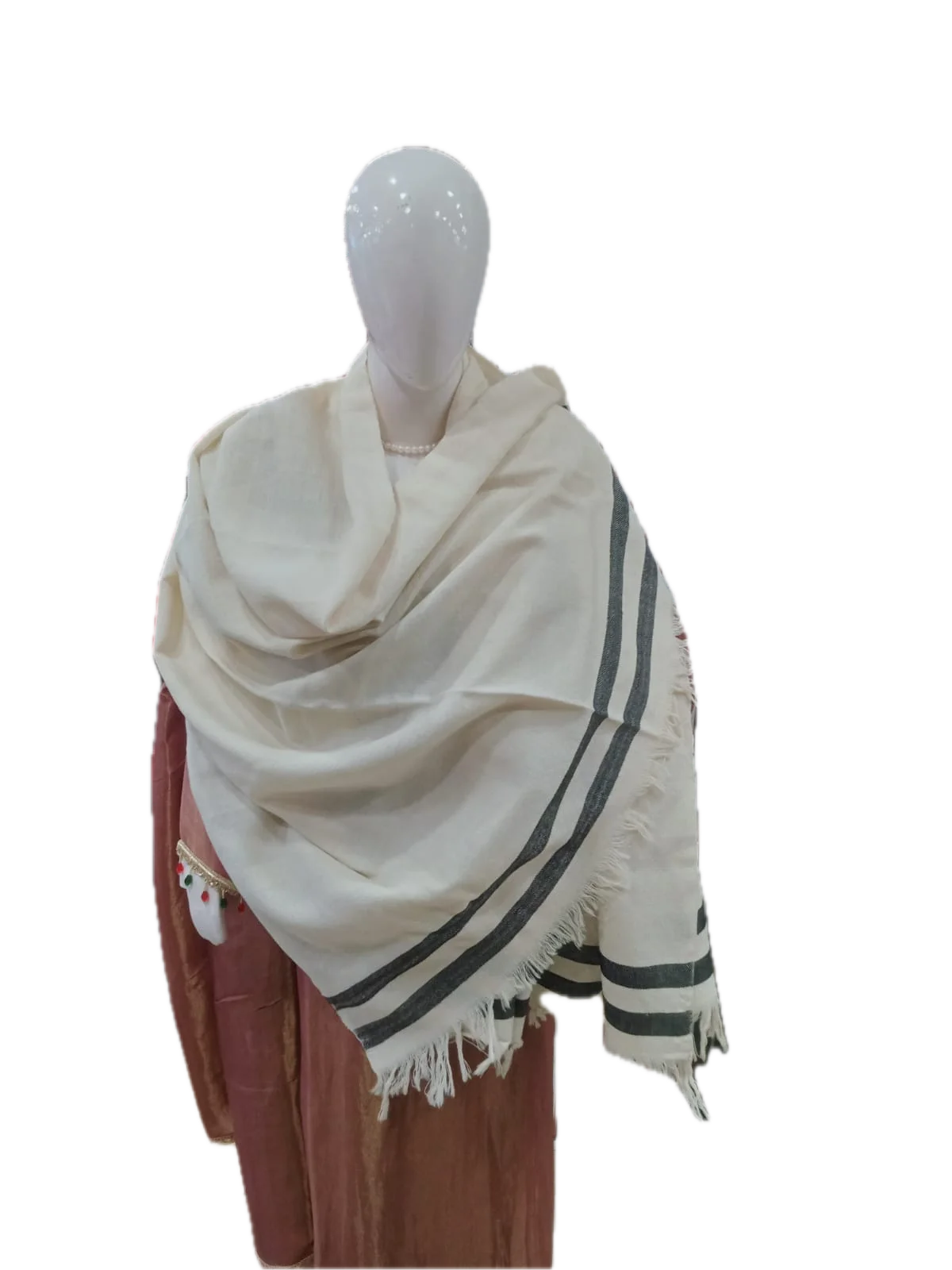
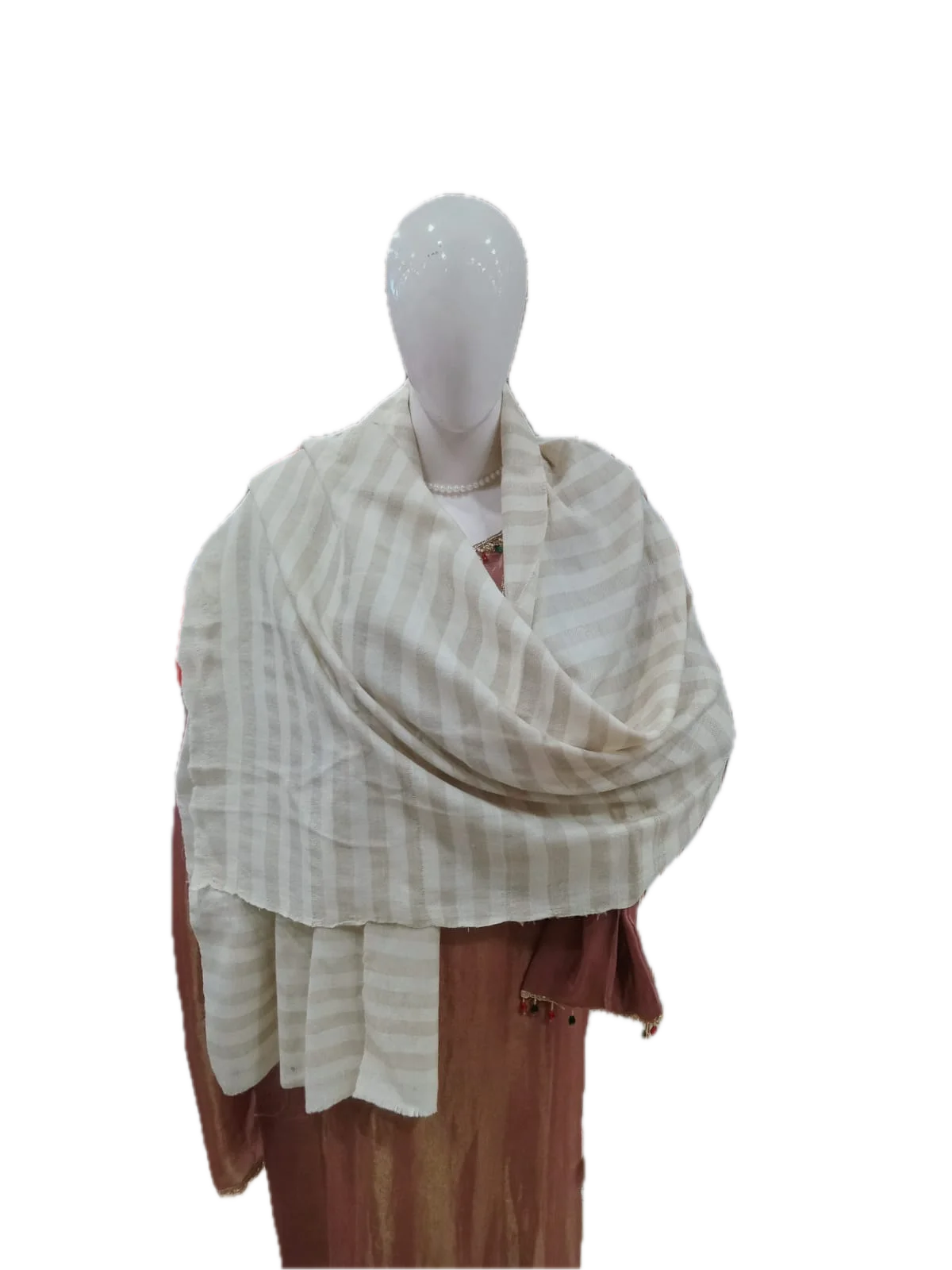
- Distinct Textures: Each piece features structural weaves like plain, twill, or subtle diamond textures that optimize the natural sheen and fluffiness of the raw yarn.
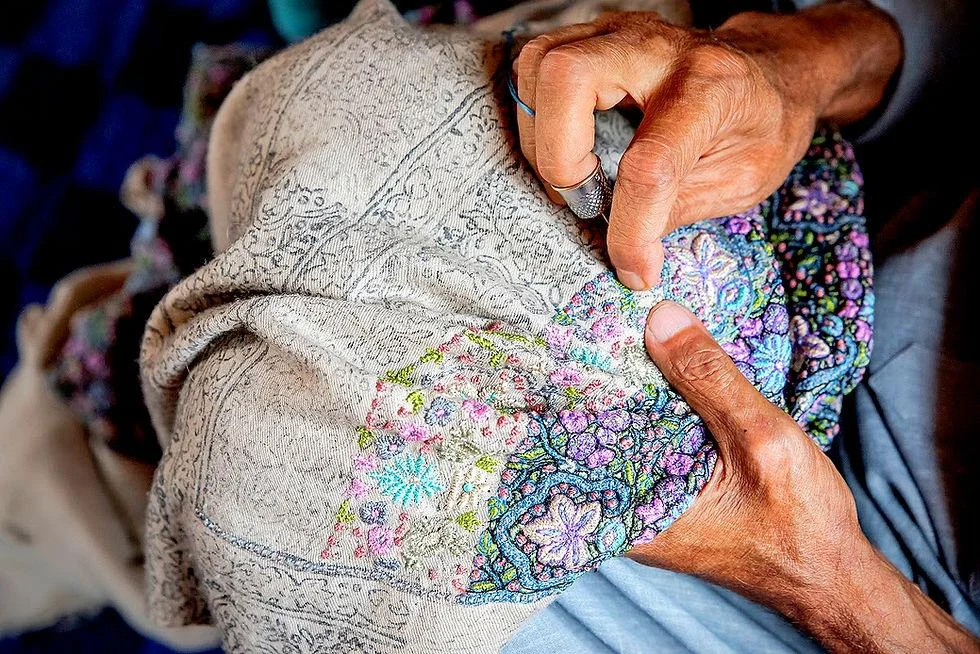
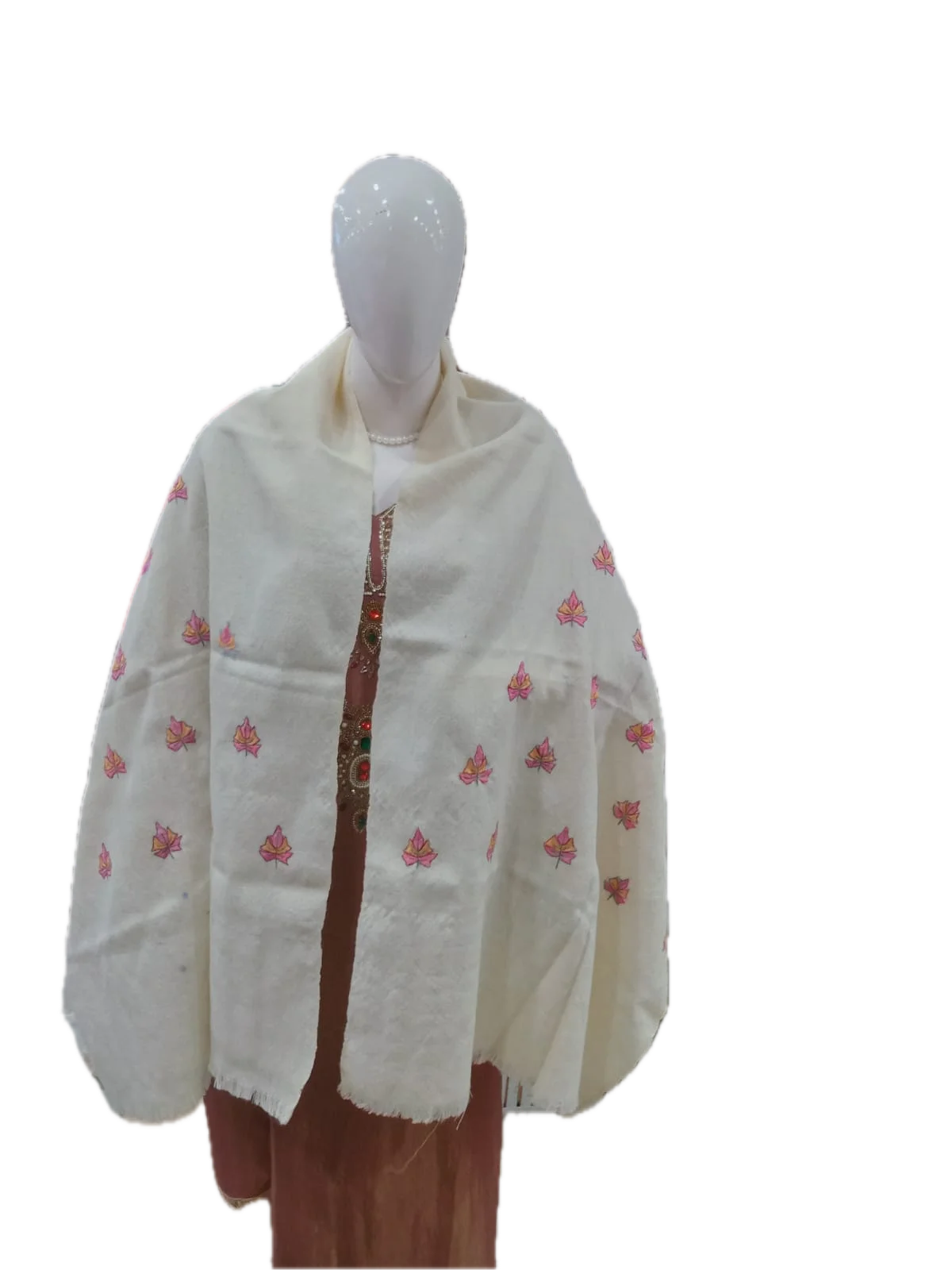
- Sozni Embroidery & Motifs: Many pieces are accented with fine Sozni (needlework) embroidery or elegant borders featuring timeless patterns like stylized floral sprigs (buta) and paisley forms.
- Post-Weave Palette: The fabric is often kept in its natural shades (white, grey, fawn) or manually dyed post-weaving in dozens of vibrant hues using meticulous organic or small-batch immersion techniques.
Basohli Pashmina is not just an item of winter apparel; it is an invaluable cultural symbol deeply interwoven with familial customs, regional pride, and elite gifting rituals in the Jammu region.
- Heirloom Dowries: Historically, a finely woven Basohli shawl or blanket was counted as Stree Dhan (a woman's personal wealth) and passed down as an essential heirloom from mothers to daughters.
- Festive and Ritual Wear: It remains the ultimate garment of distinction during prestigious regional winter celebrations, local marriages, and cultural festivals like the Basohli Utsav.
- Cultural Symbiosis: The craft shares a historical ecosystem with the world-famous Basohli Miniature Paintings, reflecting the same courtly heritage, aesthetic refinement, and devotion to local hill art traditions.
Today, the production of Basohli Pashmina serves as a vital cottage industry and an economic lifeline for rural artisan families in the Kathua district.
- Gender-Balanced Labor: The workflow splits traditionally across communities—women lead the precision work of hand-sorting and spinning the delicate yarn on charkhas, while master male artisans command the handlooms.
- Intergenerational Training: The intricate art is primarily preserved through master-disciple lineages, alongside elementary institutional backing from the J&K Handloom Development Department to train new generations.
- Sustainable Livelihoods: Because a single handcrafted shawl can take anywhere from a couple of weeks to months to finish, the premium pricing generated by the GI-certified brand directly sustains independent rural households.