History
The history of
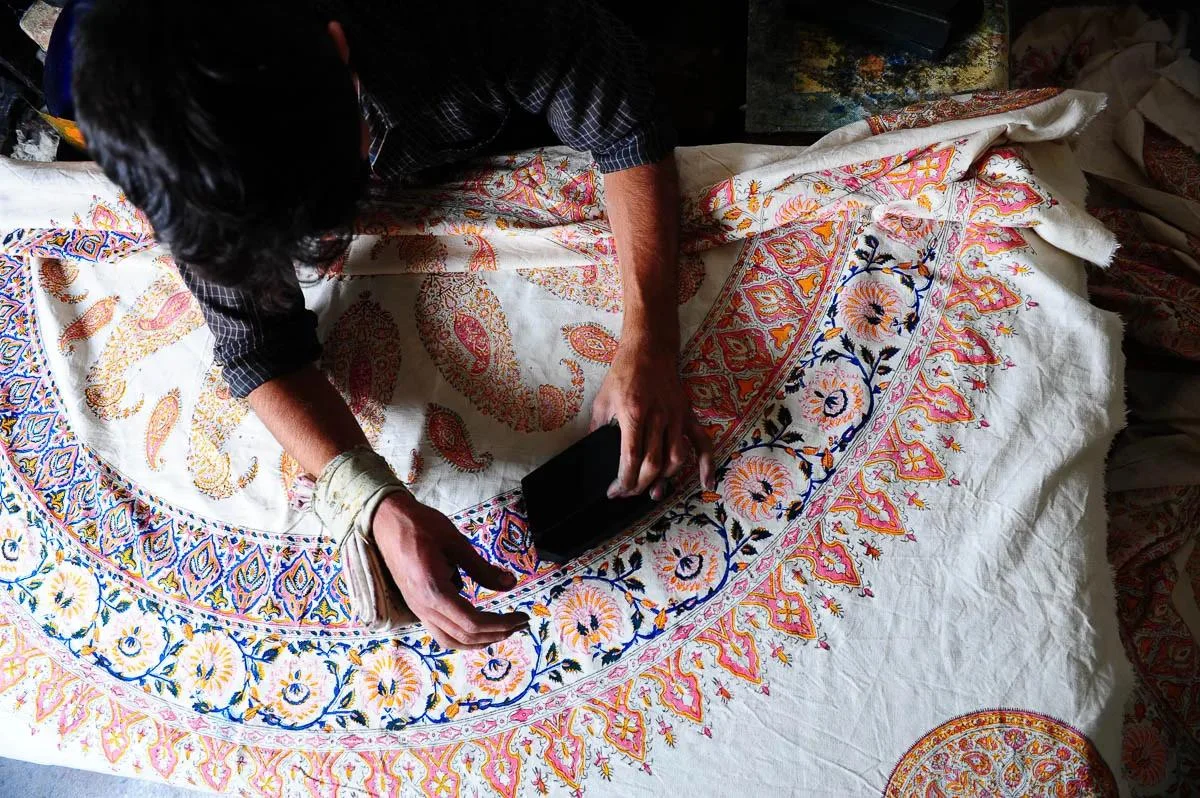
Samba Calico block printing is deeply woven into the cultural and economic heritage of the Dogra region in Jammu and Kashmir. Dating back centuries, this unique textile art transformed the foothills town of Samba into a legendary epicentre of Indian craftsmanship long before the printing industry matured in other parts of the country.
The craft gained structural prominence during the late 18th and early 19th centuries, spearheaded by traditional fabric printers known as Chhimbas.
A famous historical narrative highlights the immense prestige of Samba’s master printers during the reign of Maharaja Ranjit Singh:
- The Royal Invitation: Seeking to establish a premier textile printing ecosystem in his capital of Amritsar, the Maharaja invited the master craftsmen of Samba to relocate to his court.
- The Artisans' Refusal: The artisans politely declined the royal invitation, claiming they could not recreate the brilliance and colorfastness of their textiles anywhere else.
- The Secret Ingredient: They firmly believed that the secret behind the durability of their prints lay entirely in the unique chemical properties of the water from Samba’s local Bann pond (Bann Talab), which was essential for washing the fabric and setting the dyes.